Charge your vehicle at home without building your day around public charging stations. B&C Electric Corporation installs residential electric vehicle charging equipment for Temecula homeowners. Before connecting a charger, we look at the vehicle, your charging routine, the proposed location, the circuit route, and the available capacity in your electrical panel.The goal is simple. You should be able to park, plug in, and leave with the range you need.
Electrical projects require more than practical experience. B&C Electric Corporation holds a current California C10 Electrical Contractor License No. 1134495, which customers can verify before scheduling work An EV charger affects more than the outlet on your garage wall. The installation must match your vehicle, your driving habits, your electrical panel, and the way you use your parking space. B&C Electric Corporation looks at the full setup before recommending the work.
Your charger should support the way you drive, not simply deliver the highest possible output. We consider your daily mileage, available charging time, vehicle capacity, parking position, and future charging plans before recommending a circuit and connection type. This helps avoid paying for equipment or electrical work that your vehicle cannot fully use. It also helps prevent choosing a charger that is too slow for your routine.
Some homes can support a Level 2 charger without changes to the main electrical panel. Others may have limited breaker space, older equipment, or insufficient available capacity. Because B&C Electric Corporation also provides panel upgrades, we can evaluate both parts of the project. When an upgrade is needed, we explain why. When the existing panel can support the charger, unnecessary replacement work is not added to the scope.
Lighting may need to change when private offices, conference rooms, reception areas, break rooms, or open workspaces are added or rearranged. The project may involve relocating fixtures, installing new fixtures, changing switching arrangements, or adding occupancy and lighting controls required by the approved design.
B&C Electric Corporation has completed thousands of electrical jobs. That field experience helps us recognize the practical issues that may affect an EV charging project before installation begins. These issues can include full electrical panels, long circuit routes, limited wall access, detached parking areas, existing electrical loads, and charger locations that create inconvenient cord placement.
Lighting may need to change when private offices, conference rooms, reception areas, break rooms, or open workspaces are added or rearranged. The project may involve relocating fixtures, installing new fixtures, changing switching arrangements, or adding occupancy and lighting controls required by the approved design.
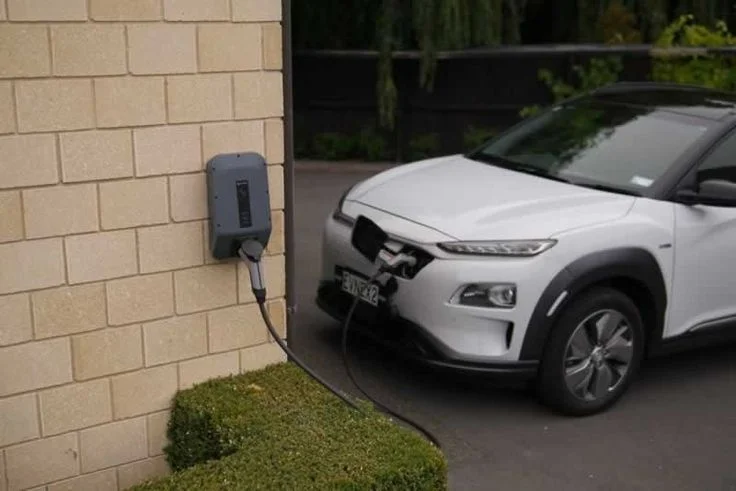
The shortest circuit route is not always the most practical charger location. We consider where the vehicle parks, where the charging port is positioned, how the cable will reach the vehicle, and whether the equipment may be exposed to damage or weather.That planning helps create a charging setup that works comfortably after the installation is complete.
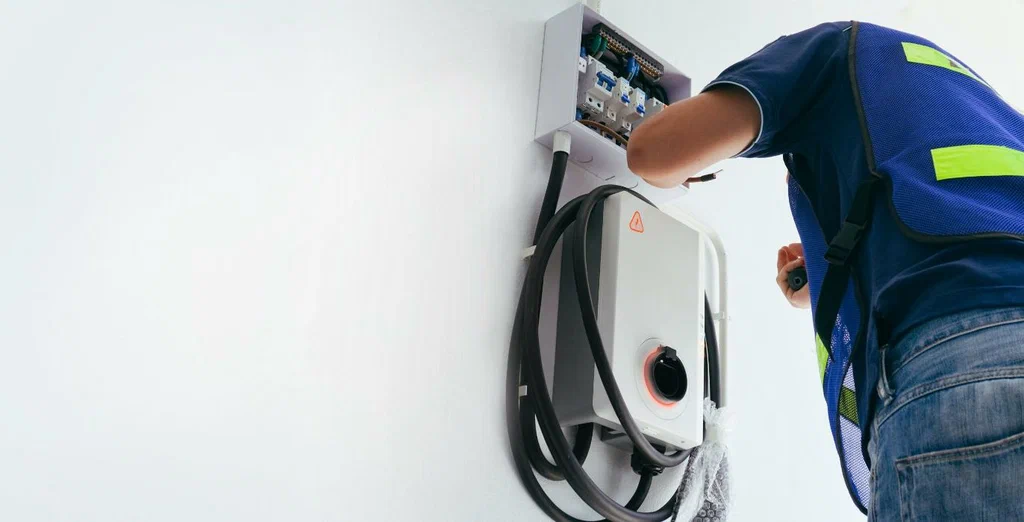
A home EV charger installation starts with the electrical system already serving the property. Before installing a circuit or mounting the charger, we review the equipment, panel capacity, proposed location, and connection requirements.
The final scope depends on the charger, vehicle, electrical panel, circuit route, and property layout.
We review the electrical requirements of the selected charger and the charging limits of the vehicle. Charger output, voltage, amperage, connection type, and manufacturer instructions all affect the installation plan. This review helps determine whether the selected equipment fits the vehicle and whether the home can support the proposed charging level.
We review the distance between the electrical panel and the preferred charging location. The route may pass through a garage, attic, crawl space, finished wall, exterior area, or detached structure. Circuit length, access, wall construction, and equipment placement can all affect the installation scope. We also consider whether the charging cable will comfortably reach the vehicle.
Temecula’s residential EV charger documentation asks for information such as the existing electrical service rating, charger circuit rating, panel load, system voltage, equipment specifications, and installation location. These details help the city review whether the proposed charging equipment can be supported by the existing electrical system. Required documentation and inspection steps depend on the final project scope.
From the first call to the final inspection, no surprises, no upsells.
Provide the vehicle model, charger make and model, desired parking location, and whether the equipment has already been purchased.
The panel, service rating, breaker space, load, circuit path, and charger requirements are evaluated before the installation plan is finalized.
The scope should distinguish the dedicated charging circuit from any panel work, routing complications, equipment changes, or permit related items.
The dedicated circuit, connection point, and charging equipment are installed according to the approved plan and applicable manufacturer requirements.
The charger itself is only one part of the project. The condition and layout of your electrical system can have a larger effect on the installation.
A full panel does not automatically mean the whole service must be replaced. It does mean the available space, existing loads, panel condition, and permitted options need to be reviewed before work begins.
A long or difficult circuit route affects conductor length, conduit needs, wall access, labor, and placement. We review the route before recommending where the unit should go.
Start with the vehicle’s charging limit, your daily mileage, where the car parks, cord reach, and any manufacturer requirements. Buying the highest output model does not help when the vehicle or home cannot use that output.
An EV charger adds a substantial continuous load. Temecula’s permitting documents require panel load information so the proposed equipment can be evaluated against the home’s existing electrical demand.
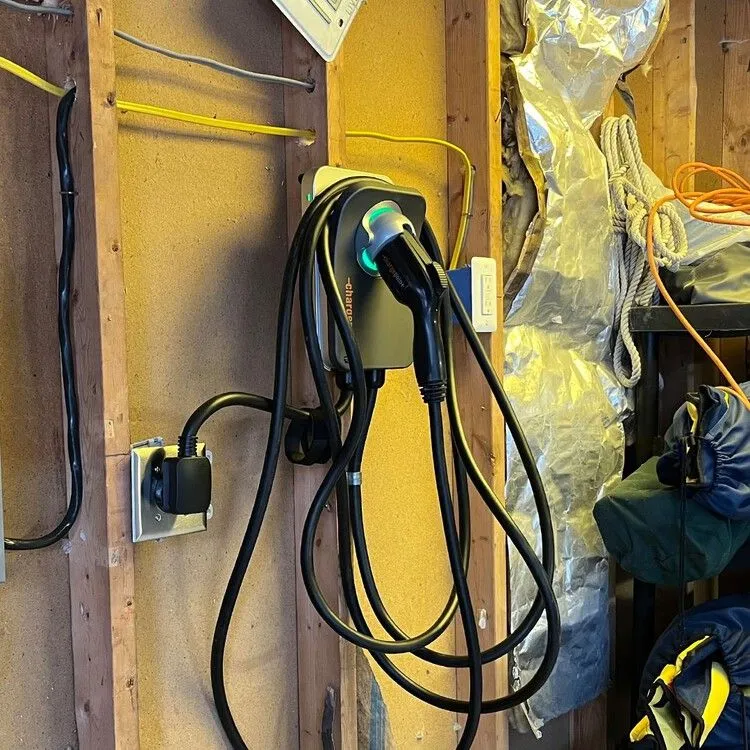
An EV charger should not be added until the supplying panel and circuit capacity have been evaluated.
That review can include:
1: Main service rating
2: Existing connected or calculated load
3: Available breaker positions
4: Panel condition
5: Proposed charger amperage
6: Circuit length and route
7: Other large electrical loads in the home
8: Plans for a second EV or future electrical equipment
A panel upgrade is not included automatically. It is recommended only when the existing equipment, available capacity, project requirements, or condition of the system makes additional work necessary.
Eligible Southern California Edison customers may qualify for a Charge Ready Home rebate toward certain panel upgrades connected with Level 2 charging. Eligibility is limited, so homeowners should review current program requirements directly with SCE before relying on a rebate.
B&C Electric Corporation operates under California C10 Electrical Contractor License No. 1134495. The license is current and active, giving customers a clear way to verify the company responsible for their electrical work. Trust begins with a clear explanation of what is being evaluated.
You should understand where the charger will be installed, how power will reach it, whether your existing panel can carry the load, and what could change the scope. We separate the charger installation from any optional or necessary panel work so the reason for each recommendation is clear.
We also avoid making assumptions about rebates, permit approval, charging speed, or equipment compatibility. Those details depend on the property, selected unit, vehicle, local requirements, and current program rules.
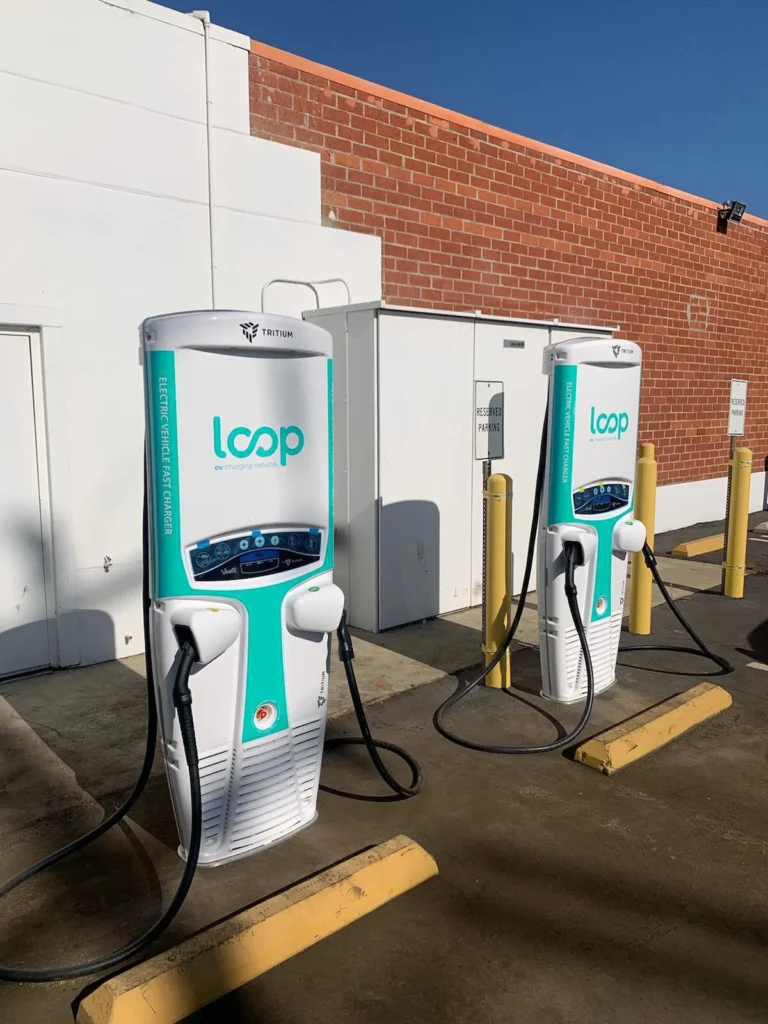
A few details can make the first conversation more useful:
1: Vehicle year, make, and model
2: Charger make and model
3: Charger specification sheet
4: A photo of the electrical panel and directory
5: A photo of the preferred charging location
6: Approximate distance between the panel and parking space
7: Whether the charger will be indoors or outdoors
8: Plans for another EV, solar system, generator, or major electrical appliance
Do not purchase a charger solely because of its advertised maximum output. Confirm that it works with the vehicle, proposed connection, and available household capacity first.
Home charging should remove a daily inconvenience, not create new questions about overloaded circuits, awkward cable placement, or whether the equipment matches the property. B&C Electric Corporation will evaluate the charger, circuit route, and electrical panel before outlining the work. Request an estimate for electric vehicle charger installation in Temecula.
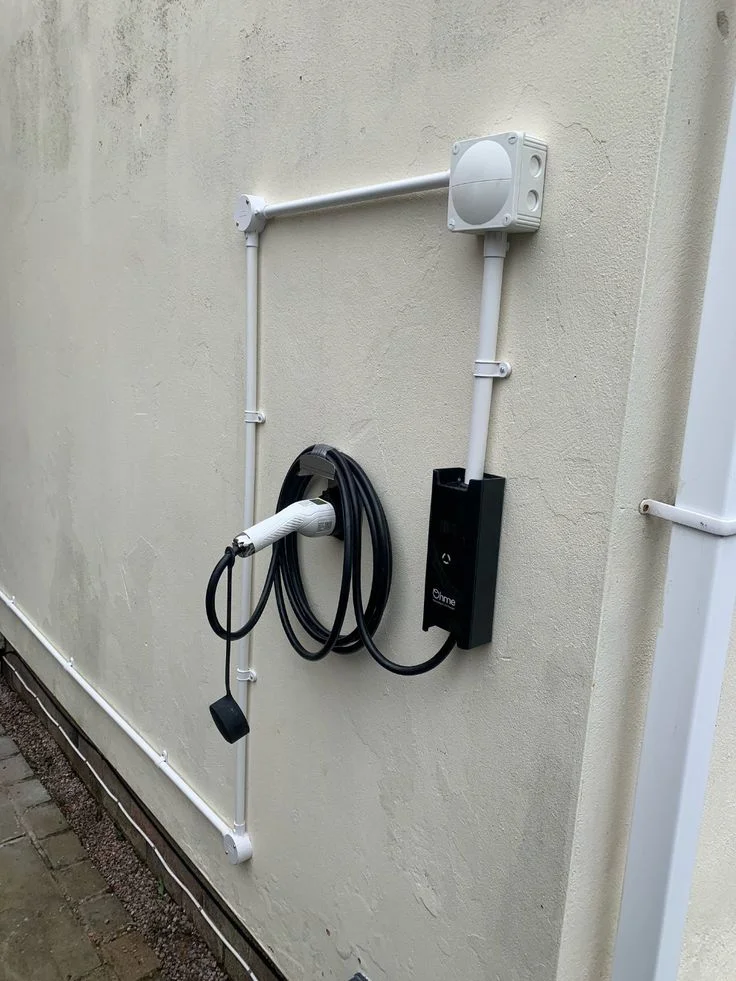
Don’t see yours? Give us a call, we’re happy to help.
A Level 2 residential charger normally requires an electrical permit and inspection in Temecula. An existing, previously permitted 120 volt outlet may support Level 1 charging without another permit.
That depends on the service rating, existing demand, breaker space, charger output, and other household loads. A load evaluation should be completed before selecting the circuit size.
No. A panel upgrade is needed only when existing capacity, equipment condition, breaker space, or project requirements prevent the proposed charger from being added appropriately
Neither method is best for every home. Equipment instructions, circuit rating, location, connection requirements, and plans for future replacement determine which installation method makes sense.
Cost depends on circuit length, panel capacity, wall or attic access, conduit requirements, charger location, connection type, permitting, equipment, and whether additional electrical work is required.