B&C Electric Corporation installs commercial EV charging systems for offices, restaurants, retail properties, parking areas, and other commercial sites across Southern California. We review the electrical service, expected demand, parking layout, and room for expansion before setting the installation scope. Your charger should fit the way people use your property, not just the space available on a parking plan.
Request a commercial EV charger installation estimate for your property.
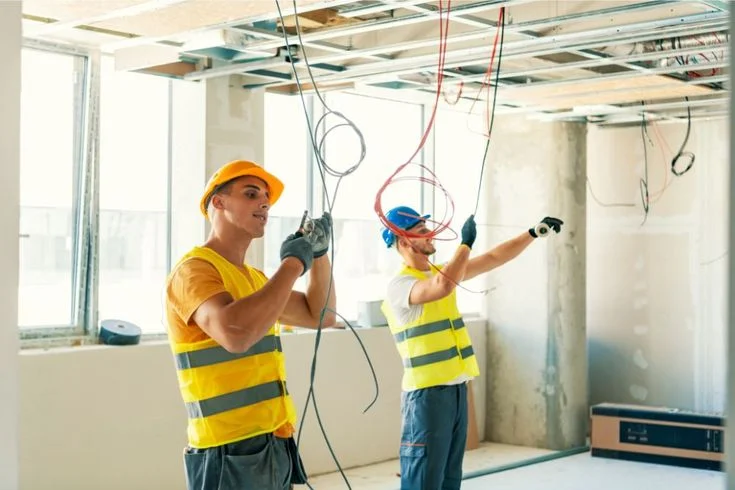
My Partner, Kevin Chapman, and I, Robert Burns, are the owners of B&C Electric Corporation. Together, we bring more than 20 years of electrical experience to commercial and residential work across Southern California. You need an electrician who looks beyond the charger.
We review the conditions that can change the job: power availability, panel space, distance, trenching, equipment placement, and future demand. We also explain when a panel upgrade may be needed and when a phased installation makes more sense.
This helps owners compare proposals on the same scope and reduces the risk of buying equipment before the electrical work is understood. We have completed thousands of jobs. That experience matters because the charger is only one part of the system. The existing panel, available capacity, conduit path, parking layout, and business schedule all affect the work.
Our goal is simple: define the electrical scope before you commit to equipment that may not fit the property.
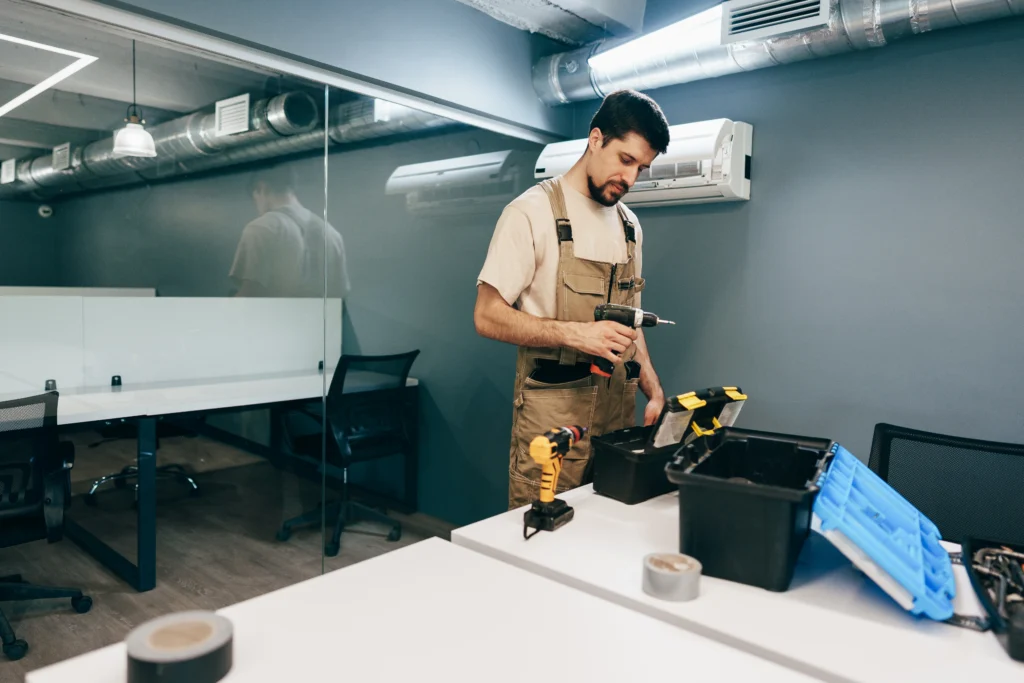
A commercial charging project can become expensive when equipment is selected before the building is checked. The charger may require more power than the existing service can provide. A long conduit route adds labor and material. Parking lot trenching may require concrete or asphalt restoration. A networked charger can also bring software, payment, and service fees.
That is why the first useful step is a site review. We need to understand who will charge, how long vehicles stay parked, how many ports are needed now, and whether the property may add more later. An office has a different charging pattern than a restaurant, fleet yard, or public parking area.
Commercial EV charger installation covers more than mounting equipment. The electrical work may include dedicated circuits, breakers, conduit, conductors, disconnects, mounting hardware, protective equipment, and connections to the building’s distribution system.
The project may also require a panel upgrade, service changes, trenching, concrete work, striping, signage, accessible charging space design, networking, or utility coordination. Those items should be identified early and assigned clearly.
Before work begins, the proposal should answer:
Clear answers reduce surprises later.
Level 2 charging often suits workplaces, restaurants, hotels, multifamily parking, and properties where vehicles remain for a few hours. It can serve employees, tenants, guests, customers, or light-duty fleet vehicles without the electrical demand of a DC fast charging site.
DC fast charging serves another use case. It may fit high turnover locations, public charging sites, and fleets that need vehicles back in service quickly. The supporting infrastructure calls for a closer review of utility power, switchgear, transformer needs, equipment space, and site access. Faster is not always better. The right choice is the lowest practical charging level that meets the driver’s schedule and the property’s goal.
There is no honest flat commercial EV charger installation cost without seeing the site. Two properties ordering the same charger can receive very different installation scopes. The main cost factors are:
The cost to install a commercial EV charging station should be based on a written scope, not only a per-charger number. We separate the electrical installation from optional or third-party work so you can see what the estimate covers.
We start with the property type, expected users, vehicle schedule, charger count, access method, and plans.
The site review considers available capacity, equipment condition, circuit routes, charger placement, vehicle protection, and likely site work.
We match the charging level to the property. The scope identifies electrical work, possible panel upgrades, permits, utility involvement, site work, networking, and responsibilities.
Our team installs the agreed electrical infrastructure and charger connections. Work sequencing is planned around access and business operations. Network activation or payment settings may involve the charger provider.
The installation is completed according to the accepted scope and available project documents. Requested changes should be reviewed before extra work proceeds. This gives the responsible party a chance to understand the effect on cost, materials, and scheduling.
A commercial EV charger affects more than one parking space. It adds demand to your electrical system, changes how parts of the property are used, and may require coordination with permitting authorities, utilities, equipment providers, and other trades. The electrician you choose should help you understand those issues before installation begins.
B&C Electric Corporation starts by looking at the property, the available electrical capacity, the intended users, and the charging schedule. This helps prevent common mistakes, such as ordering chargers that do not match the building’s power supply or paying for charging speed the site does not need.
You can expect the project scope to address the details that influence performance and cost, including:
Clear scope matters. It gives you a better way to compare estimates, plan around business operations, and understand where additional costs may arise.
A useful estimate starts with the property address, desired charger count, vehicle use, parking layout, and photos of the main electrical equipment. B&C Electric Corporation serves commercial properties across Southern California. Tell us what the chargers need to do, and we will help define the electrical work required to support that goal.
Request an estimate for commercial EV charger installation.
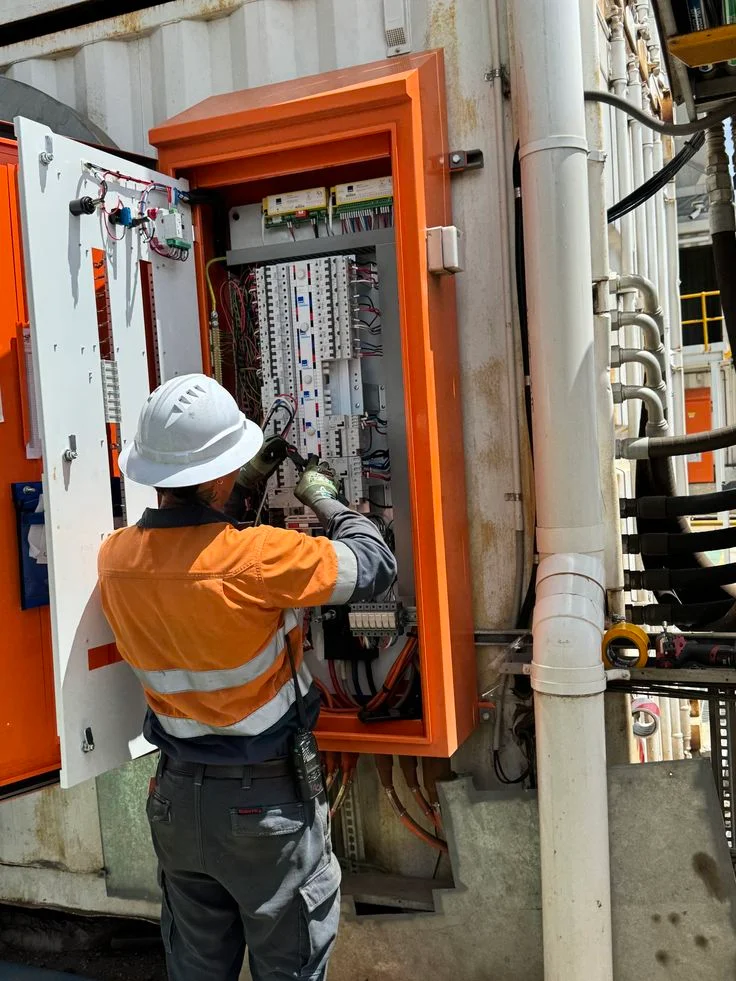
Cost depends on charger quantity, power level, electrical capacity, conduit distance, trenching, restoration, permits, networking, and any required panel, switchgear, transformer, or on-site service upgrades.
Not every property needs one. A site and load review determines whether the existing panel and electrical service can support the added charging demand safely.
Level 2 fits longer parking periods. DC fast charging suits rapid turnover or fleet schedules, but it usually needs more electrical infrastructure and utility planning.
Timing depends on design, permits, equipment availability, utility work, trenching, inspections, and service upgrades. A site review is needed before setting a reliable project schedule.
Many networked chargers support payment, user authentication, scheduling, and reporting. Features and fees depend on the charger provider, software plan, and property’s chosen access policy.